
Essential details
Shipping:express delivery
Product Introduction
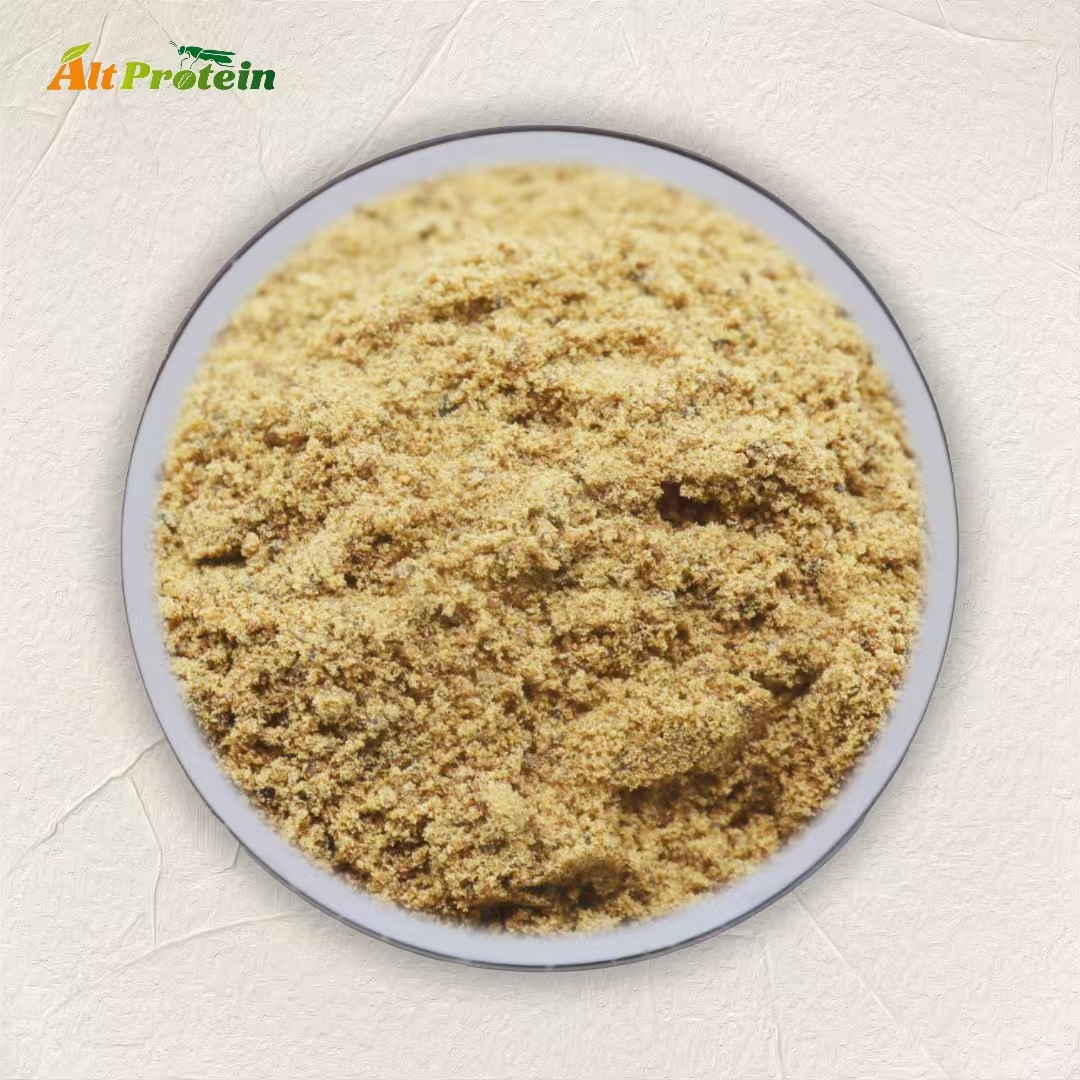
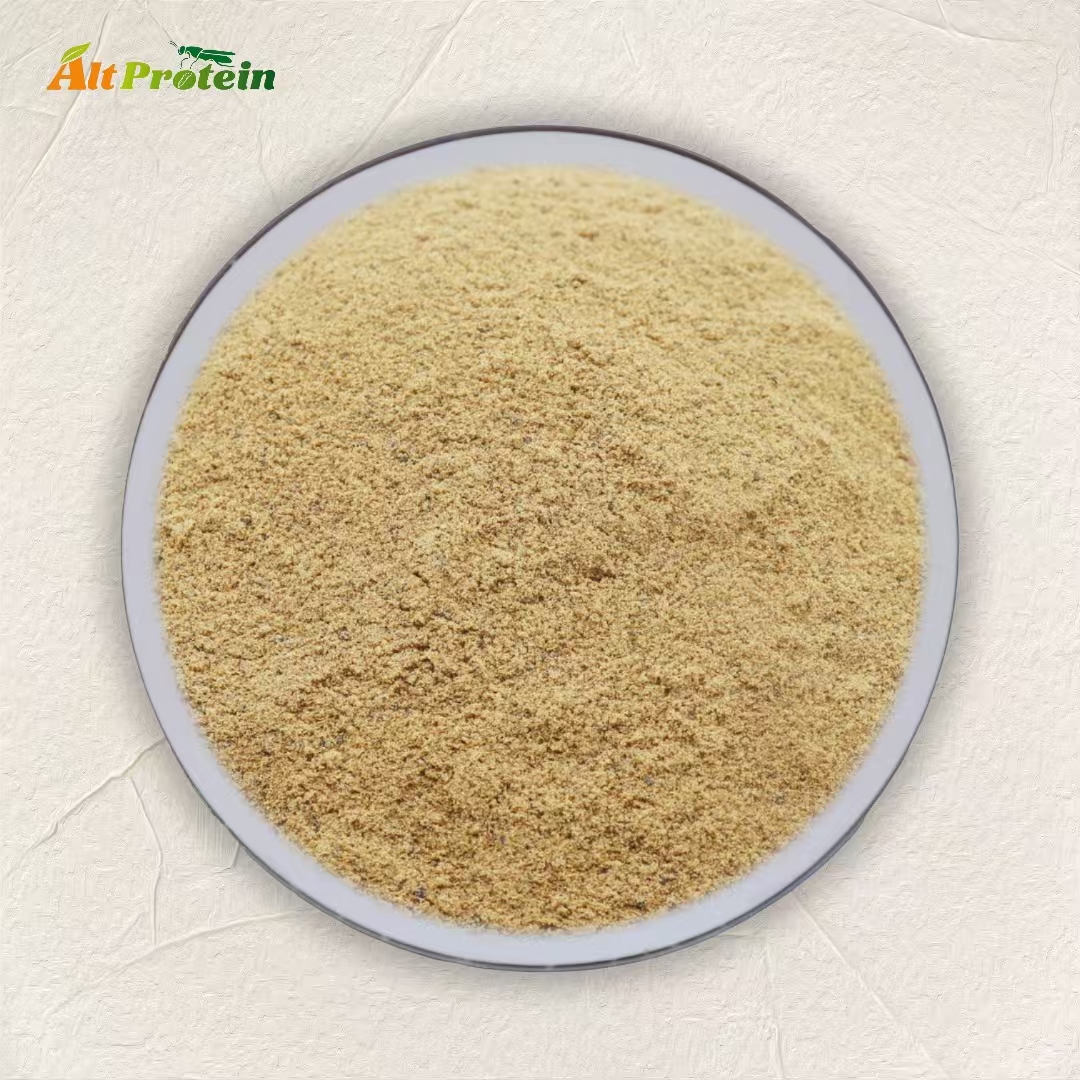
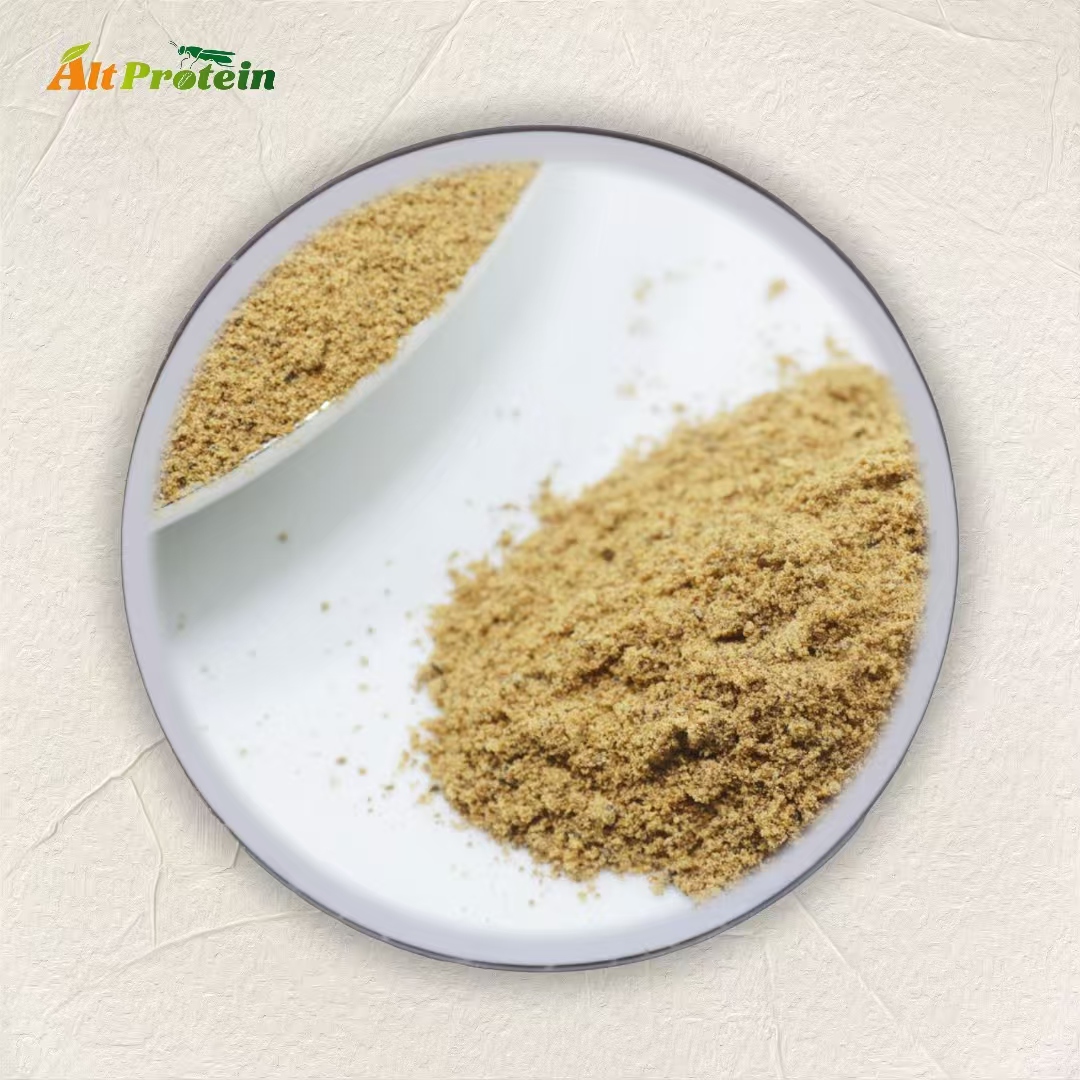
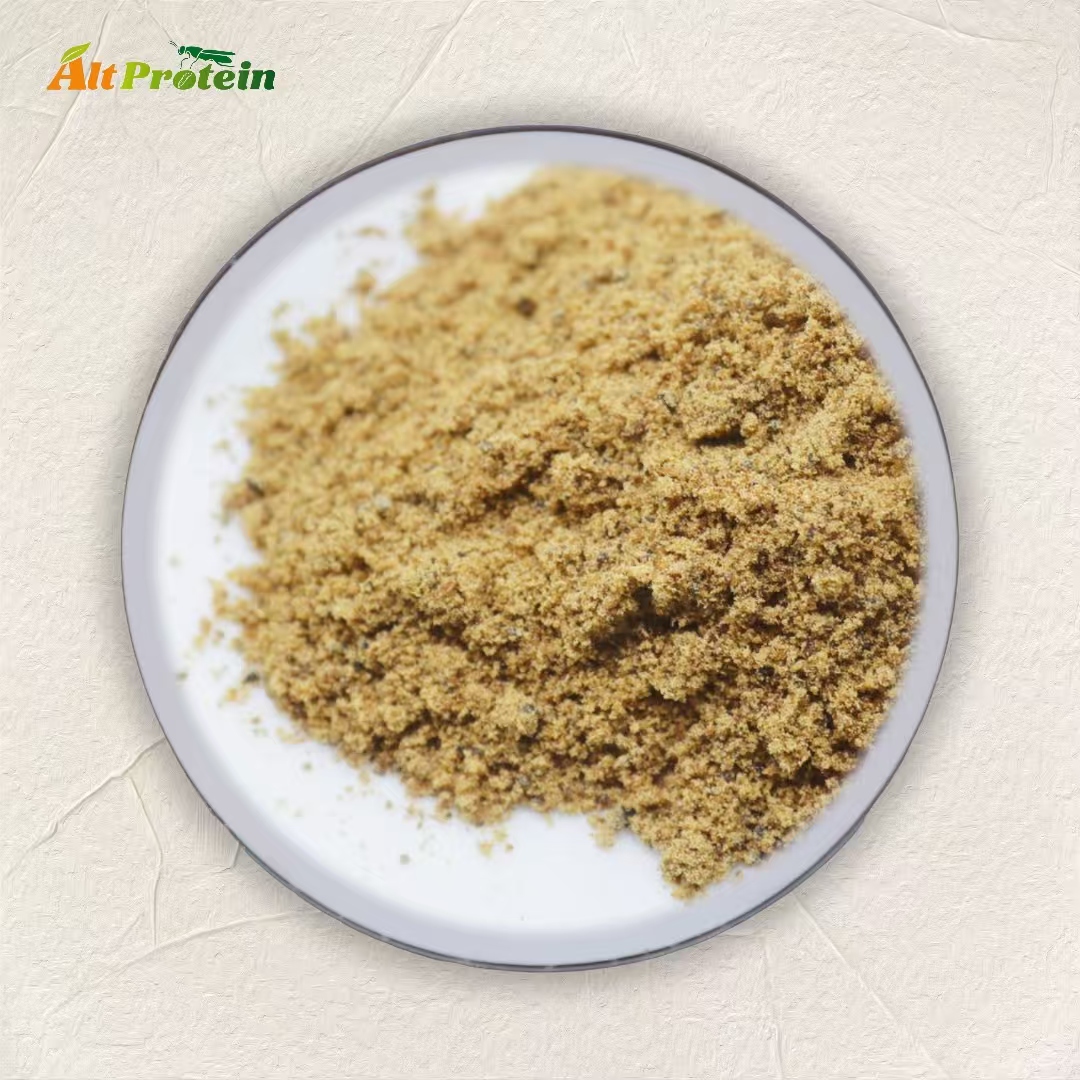
Barleyworm powder is made from barleyworms and has important applications in many fields:
- Nutritional Information: The protein content is about 51%, and the amino acid composition is reasonable; the fat content is about 29%, including unsaturated fatty acids; it is rich in various vitamins, minerals, chitin and other biologically active substances.
- Application Areas
- Animal Feed: Suitable for pet, aquatic and special breeding animal feed to meet nutritional needs and enhance disease resistance.
- Human Food: It can be used as a protein supplement for staple food, and to develop functional food and snack food.
- Other fields: It is used in medicine to develop pharmaceutical health products; it is used in cosmetics for its moisturizing and antibacterial effects; it can also be used as a raw material for biological fertilizers.
- Processing Technology: Select healthy mealworms, clean them, dry them at 50 - 60℃, crush and sieve them, and then seal them.


Here are some frequently asked questions (FAQs) and answers about barleyworm powder:
Basic Information
- ask: What is barley worm powder?
- answer: Powder made from dried and crushed mealworms, which are insects of the family Tenebrionidae in the order Coleoptera and are rich in various nutrients.
- ask: What color is barley worm powder?
- answer: Light yellow to dark brown, determined by the color of the mealworm itself and the processing technology.
Nutritional content and benefits
- ask: What are the main nutrients of barley worm powder?
- answer: Contains more than 50% high-quality protein, unsaturated fatty acids, multiple vitamins (B1, B2, etc.) and minerals (calcium, phosphorus, etc.).
- ask: What are the benefits for animals?
- answer: It is a high-quality protein source that promotes growth and development, enhances immunity, improves reproductive performance, makes pets' hair shiny and bones strong, helps aquatic animals resist diseases and improves meat quality.
- ask: What are the benefits to the human body?
- answer: Supplements nutrients such as protein, has a reasonable amino acid composition, unsaturated fatty acids are beneficial to the cardiovascular system, and the vitamins and minerals it contains enhance immunity.
Application Areas
- ask: What are its applications in the feed field?
- answer: Used in livestock, poultry, aquatic products, and special animal feed to replace some protein raw materials and improve animal growth and meat quality.
- ask: Is there any application in the food industry?
- answer: Yes, it can be added to foods such as bread and biscuits to increase protein, and can also be used to make protein powder drinks.
- ask: What other uses does it have in other fields?
- answer: It can be used to moisturize and nourish in cosmetics; in the medical field, its ingredients may have medicinal value, such as antimicrobial peptides used in the development of antibacterial drugs, but it is still in the research stage.
Production and processing
- ask: How to produce and process?
- answer: Clean the barley worms and remove impurities, dry and dehydrate at high or low temperature, grind and crush, then screen and package.
- ask: How to cultivate raw mealworms?
- answer: Temperature 20 - 30℃, humidity 60% - 70%, good ventilation. Feed mainly wheat bran, with added fruits and vegetables. Use plastic boxes for breeding, and clean up feces and leftovers regularly.
Quality and Safety
- ask: How to judge the quality?
- answer: The smell is pure, without peculiar smell or mold, the color is uniform, without black spots, the powder is fine, without lumps and impurities, and the nutritional content is tested to see if it meets the standards.
- ask: What should I pay attention to when storing?
- answer: Store in a dry, cool, well-ventilated place, avoid direct sunlight, in sealed containers at a temperature of 15 - 25°C.
- ask: Is it safe to consume barleyworm powder?
- answer: It is safe for most people to consume in moderation, but some people may be allergic to insect protein, so production needs to meet food safety standards.
