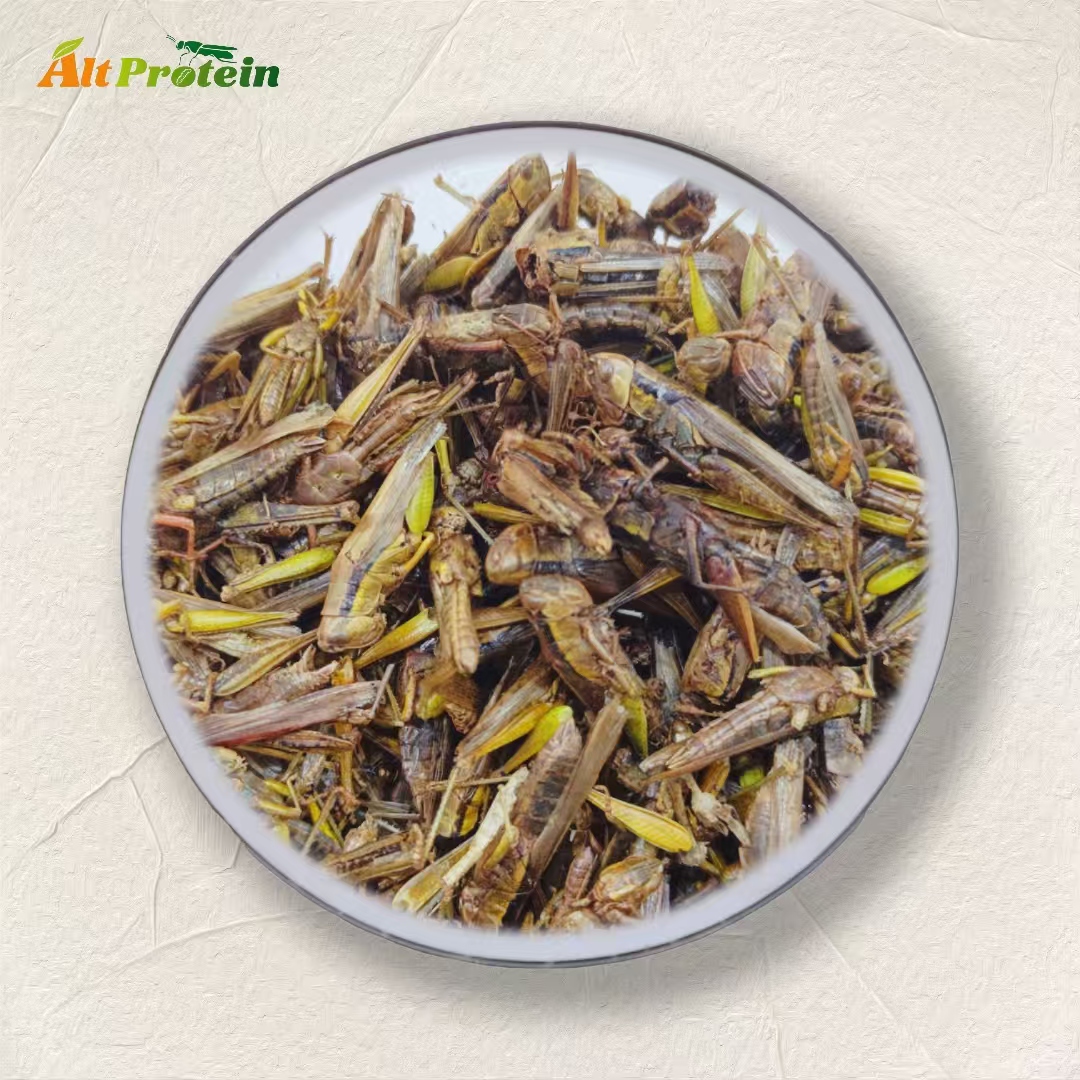
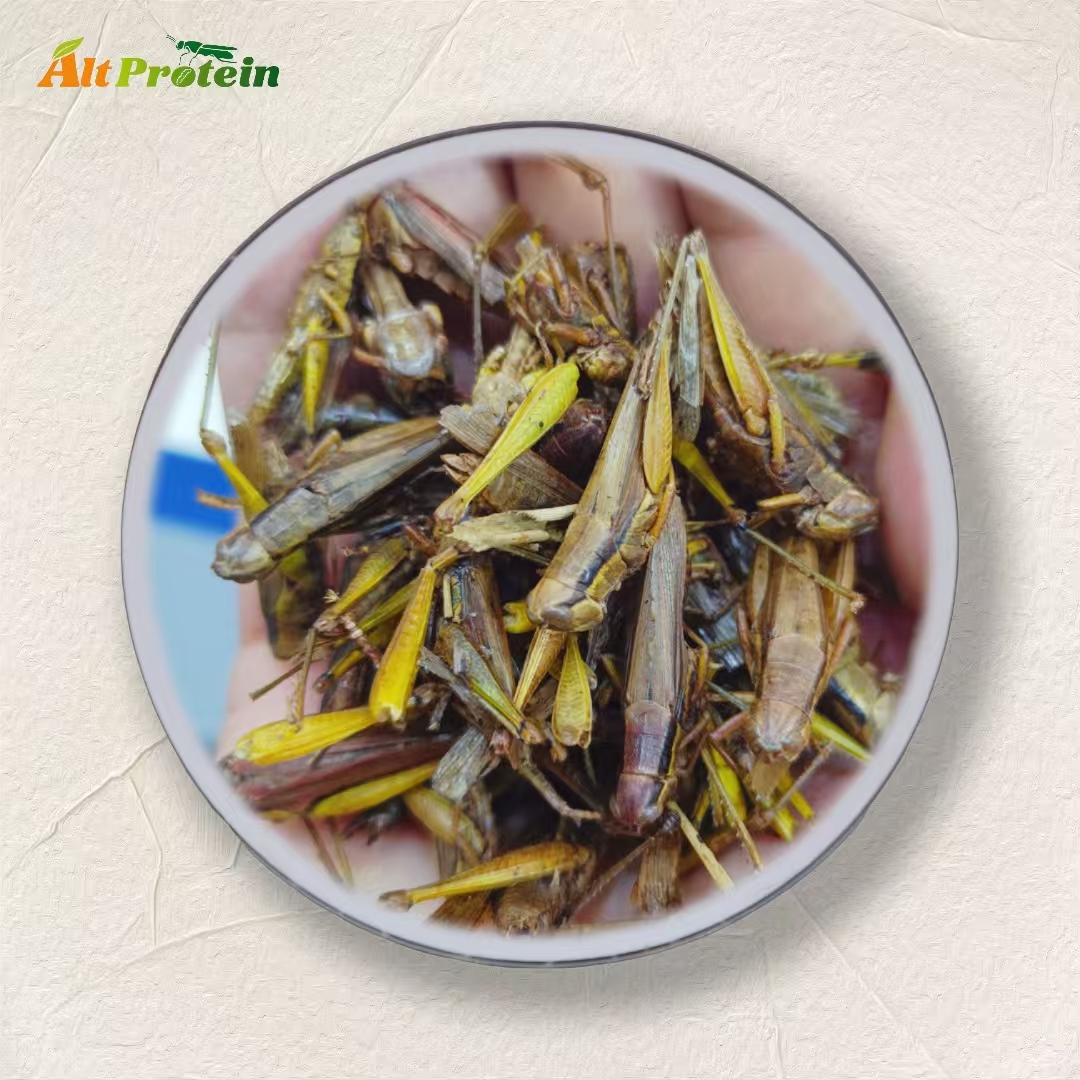
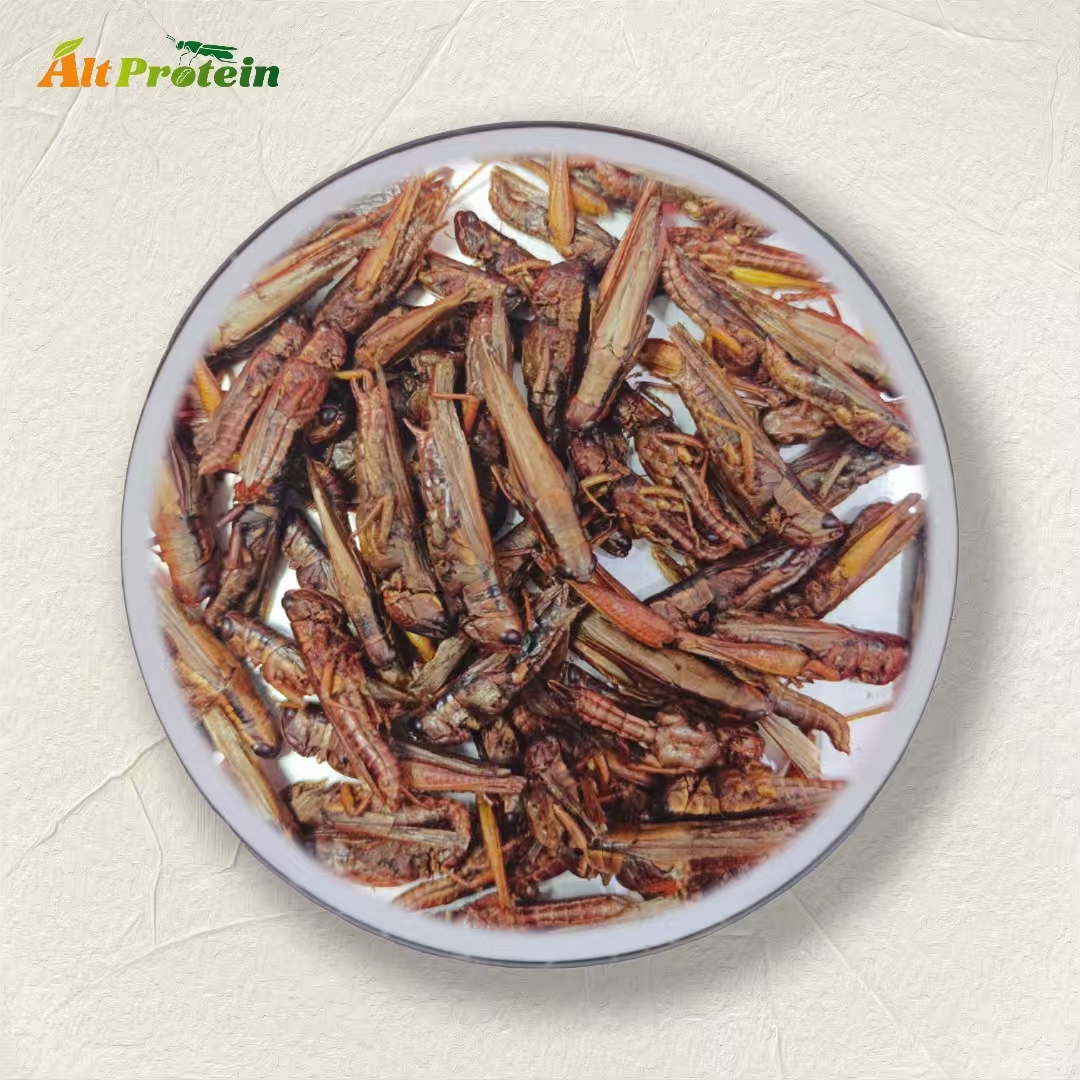
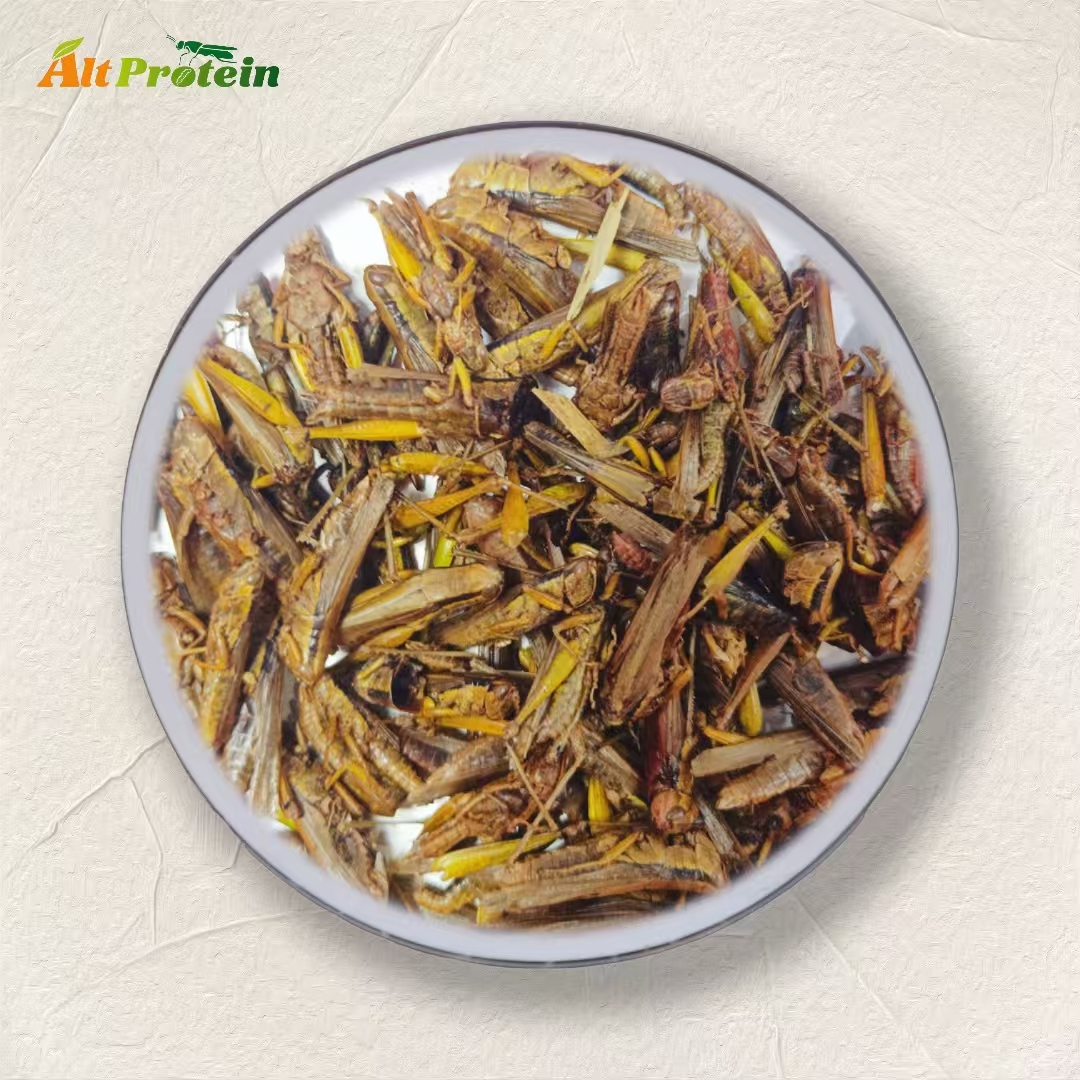

Essential details
Shipping:express delivery
Product Introduction
Basic Information
- scientific name:Oxya chinensis
- Family: Oxytricidae
- Aliases: Grasshopper, rice locust, grasshopper
value
- Nutritional Value: High in protein and low in fat, rich in trace elements such as calcium, iron, zinc, manganese, etc., helps to supplement amino acids, maintain physiological functions, promote bone health, etc.
- Medicinal value:It is used in traditional Chinese medicine to treat rheumatism, carbuncle, ulcer and many other diseases; modern medical research has found that its ingredients have potential value in anti-inflammatory, analgesic and immunomodulatory effects.
- Other Values: It can be used as animal feed to improve animal growth performance; the phospholipid compounds extracted from the body are used in industrial fields such as food additives and cosmetics.
Processing and consumption
- Processing: Clean, disinfect, remove impurities and then dry or sun-dry to make dried insects.
- edible: It can be fried into snacks, or ground into powder and added to flour to make cakes and noodles.


Basic Information
- ask: What is the Chinese rice locust?
- answer: An insect of the genus Oxya, family Acrididae, order Orthoptera, a common agricultural pest that mostly lives in rice fields and grasslands and feeds on grass plants.
- ask: How to make dried Chinese rice locust?
- answer: After catching, clean and disinfect, then dry or sun-dry, and control the temperature and time.
Nutritional Value
- ask: What nutritional value does dried Chinese rice locust have?
- answer: Rich in protein, with a reasonable amino acid composition, containing a variety of essential amino acids for the human body, as well as fats, minerals and vitamins.
- ask:Who is suitable to eat it?
- answer: Suitable for people who need to supplement protein, such as bodybuilders, athletes, and those who want to try new things. Not suitable for people who are allergic to insect protein.
Application Areas
- ask: What are the uses of dried Chinese rice locust?
- answer: In the food field, it can be made into dishes and snacks; in the feed field, it is a high-quality protein source and can be fed to poultry and livestock; in the medical field, it has potential medicinal value, but still needs research and development.
- ask: What are the advantages of making feed?
- answer: High in protein and good amino acid balance, it meets the nutritional needs of animals, has a wide source, may be low in cost, is easy to absorb, and can improve animal production performance and meat quality.
